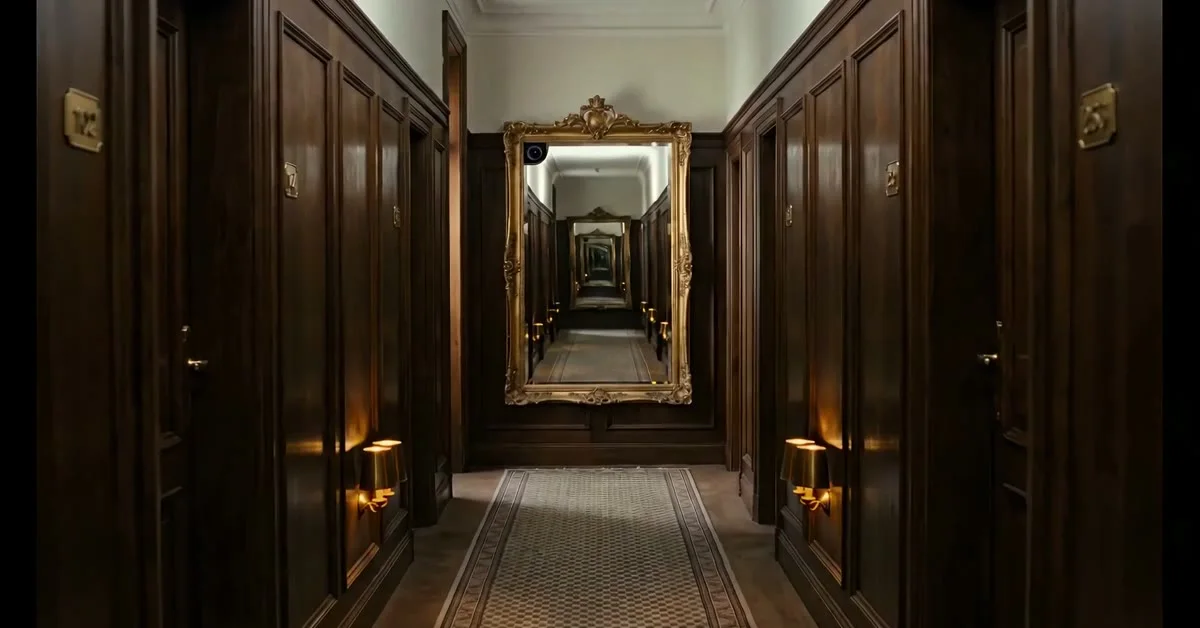
A file like this begins with a simple answer: musical fiction is fiction in which music is central to the story. But that definition is still too soft. The term remains broad, and even cataloging notes acknowledge that it has been used in conflicting ways. That is why search results split between lists, encyclopedia entries, and vague genre labels.
The sharper reading is this: musical fiction is not only about performers, instruments, or backstage life. It is about narratives where music behaves like evidence. A lyric can point to what was hidden. A chorus can repeat what no one will say aloud. A recording can carry pressure, memory, or motive. In that sense, music is not decoration. It is part of the case.
That is the world of Cassie Hour (opens in a new tab). It is a novel built around a villa, a missing recording, and the hour that keeps returning, where the song is not simply atmosphere but a trace left behind. The mystery moves through sound the way a witness moves through a room: carefully, and never without consequence.
So if you are trying to place the term, start here. Musical fiction can mean many things, but the most revealing version is story-first: fiction where music carries hidden force, and the silence around it matters as much as the note itself.