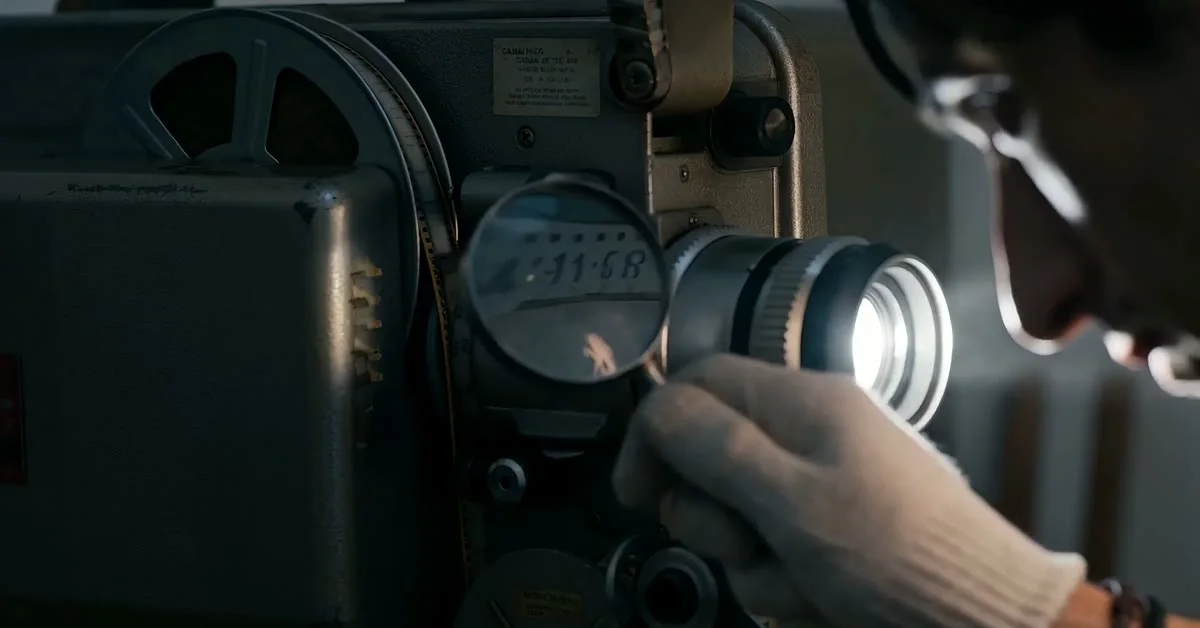
Found-footage mystery books work best when the evidence feels handled, not explained. Transcripts. Recordings. Notes with edges. A story assembled from what survived.
That is the sharp answer readers are often after: mysteries built from recovered material create a different kind of suspense, because the truth arrives in pieces rather than in a single, fluent voice. Recent coverage and reader requests point to the same appetite—case files, transcripts, journals, mixed-media fragments, and audio traces that make the page feel like a dossier.
Cassie Hour lives in that borderland. A villa in Marbella. A missing recording. Witnesses who seem to know more than they say. The song does not sit beside the novel as decoration; it behaves like evidence. The chorus returns the way a clue returns—slightly altered, suddenly charged, impossible to ignore. The result is a mystery that feels less like being told a secret than finding it folded into the story itself.
That is why the novel stands apart from a standard whodunit. It does not ask for passive reading; it asks you to notice what was recorded, what was omitted, and what keeps echoing after the hour has passed. The atmosphere is cinematic, but the details stay concrete: a room, a voice, a gap in the tape, the uneasy sense that the villa remembers more than its guests do.
If found-footage mystery books are the shelf you are searching, start with the one that treats fragments as proof. Read the Cassie Hour novel first, then return to the song and hear what the chorus was guarding.