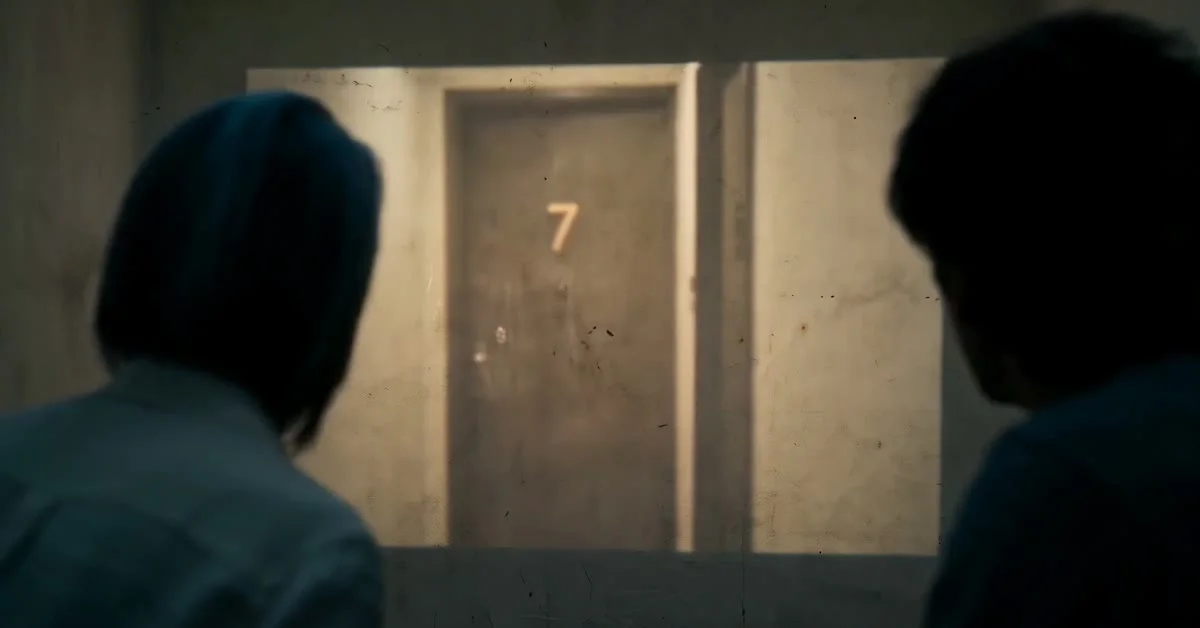
What Lostwave Means, and Why Cassie Hour Feels Close to It
Lostwave means one thing first: music with little to no information about where it came from. In the search threads, it is the mystery of a recording that appears without a name, and the people who gather around it to ask a single question: what is this song?
That question has a particular charge because lostwave is not just about listening. It is about listening as if sound were evidence. A chorus, a fragment, a few seconds of atmosphere can become the only surviving clue. On communities such as r/Lostwave, the song is treated less like a track and more like a missing file—something half-recovered, still waiting for its history.
That is where Cassie Hour fits with unusual precision. Its world is built around the same tension: a villa, a recording, a vanished story, and the hour that keeps returning. It understands the strange intimacy of a missing signal. Not the loud drama of explanation, but the quieter pull of incomplete proof.
Lostwave lives in that gap between hearing and knowing. Cassie Hour does too. If the song is the clue, the novel is the room where the clue was left behind. The result is a mystery that feels both cinematic and human: a voice in the dark, a chorus remembered imperfectly, and the sense that what is missing may matter as much as what remains.
If you came here asking what lostwave is, that is the plain answer. If you stay with the feeling behind it, you may find yourself inside Cassie Hour already.