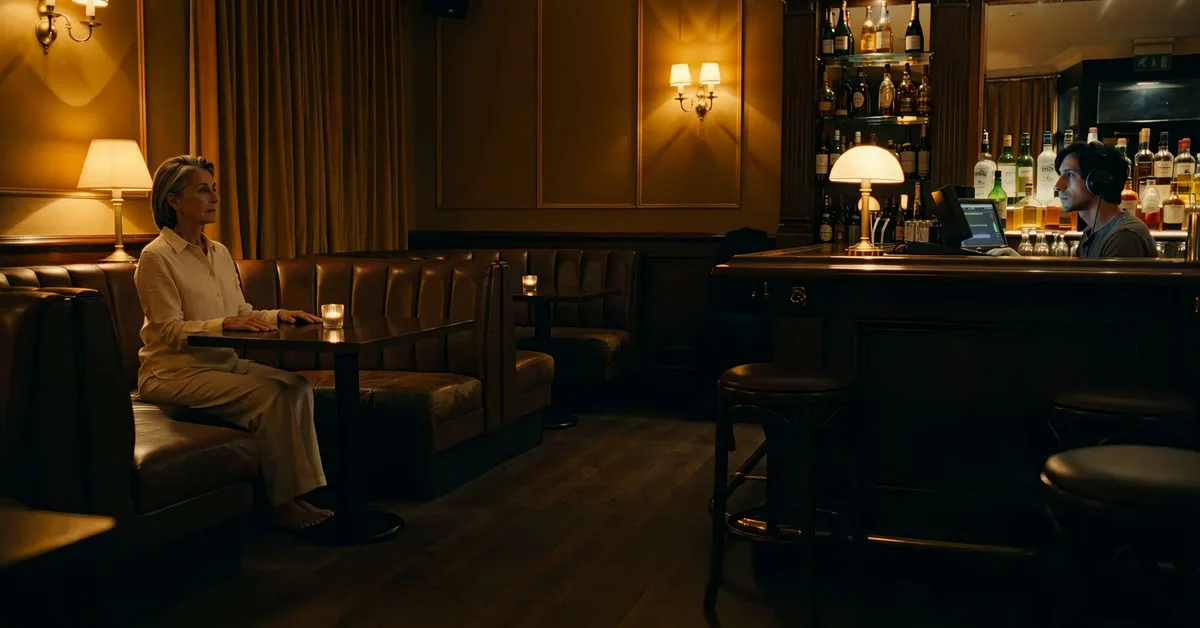
A mystery novel set in a villa works because the house can look open while still feeling sealed. That is the pressure Cassie Hour uses best: beauty makes denial more convincing, and danger harder to name.
The villa in this story is not simply glamorous. It is a closed world with polished surfaces, late-hour silences, and people who know how to stand still when someone is watching. In a place like that, every gesture can pass for innocence. A smile can be timing. A pause can be alibi. Even the air feels as if it has already heard the whole story and refused to repeat it.
That is why the missing recording matters. A vanished sound file is not just a clue; it is evidence that the room once held a different version of events. The chorus, too, belongs to this logic. In Cassie Hour, music is never only atmosphere. It carries memory, misdirection, and the trace of what someone wanted kept off the record.
If you are drawn to villa mysteries for their elegance and unease, Cassie Hour keeps both in frame. It is a cinematic mystery around a vanished story, a recording that should have remained, and a night that keeps returning in fragments.
Read the novel first: Cassie Hour. If you want the atmosphere in sound, the song lives here: Cassie Hour song.