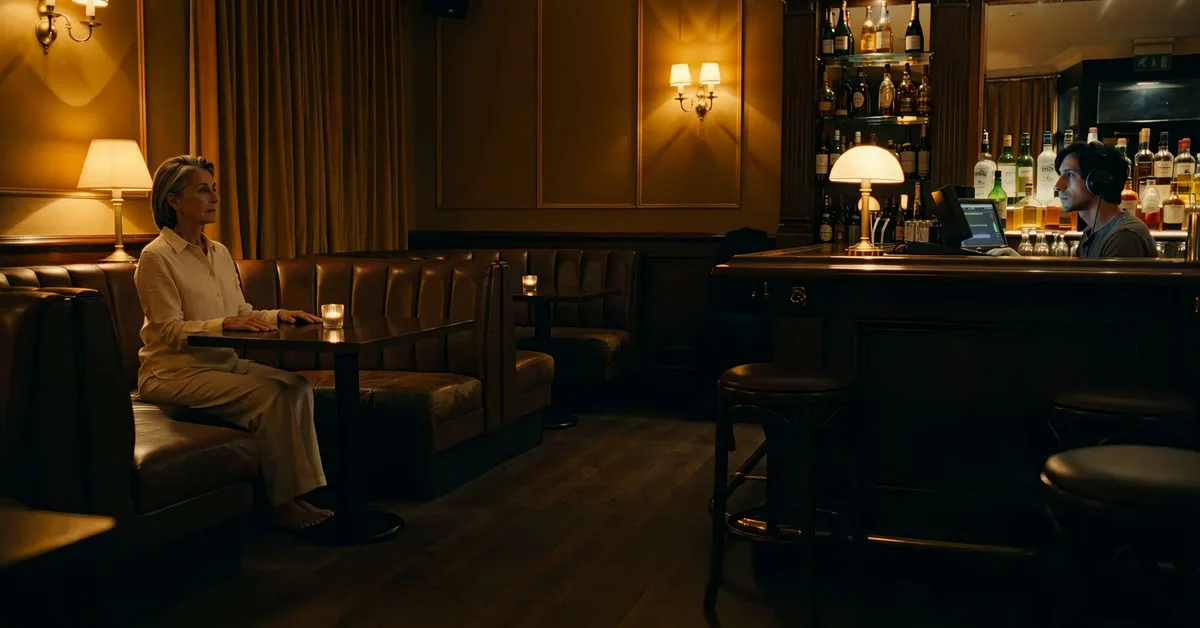
A mystery book with a female lead should not ask what happened to her first. It should ask what happens to everyone else once she enters the room.
That is the pressure inside Cassie Hour. Cassie is not arranged as a passive figure waiting for a secret to be handed back. She is the disturbance in the room: remembered, misread, and finally impossible to contain. The villa, the witnesses, the missing recording, the hour that returns again and again — all of it bends around her presence.
That difference matters. In female-centered mystery fiction, the best tension comes when the woman is not only the object of the puzzle but the force that changes its meaning. A glance becomes evidence. A chorus becomes a trace. A private decision at 4AM can alter the whole shape of what everyone thought they knew.
Cassie Hour leans into that atmosphere with a cinematic, restrained pulse: a Marbella villa holding its own silence, a vanished story pressed into sound, and a romance that never arrives cleanly. The novel treats memory like a file recovered at the edge of the scene — incomplete, charged, and still dangerous to touch.
If you want a mystery centered on a woman who does not merely inhabit the secret but reorders it, start with the novel.
Read Cassie Hour on Amazon (opens in a new tab)
For the thread that turns feeling into evidence, the song waits alongside it.