Fragments from the villa
The Interview-Style Novel Feels Like Evidence Here
A cinematic take on books written in interview style, and why Cassie Hour reads like recovered testimony.
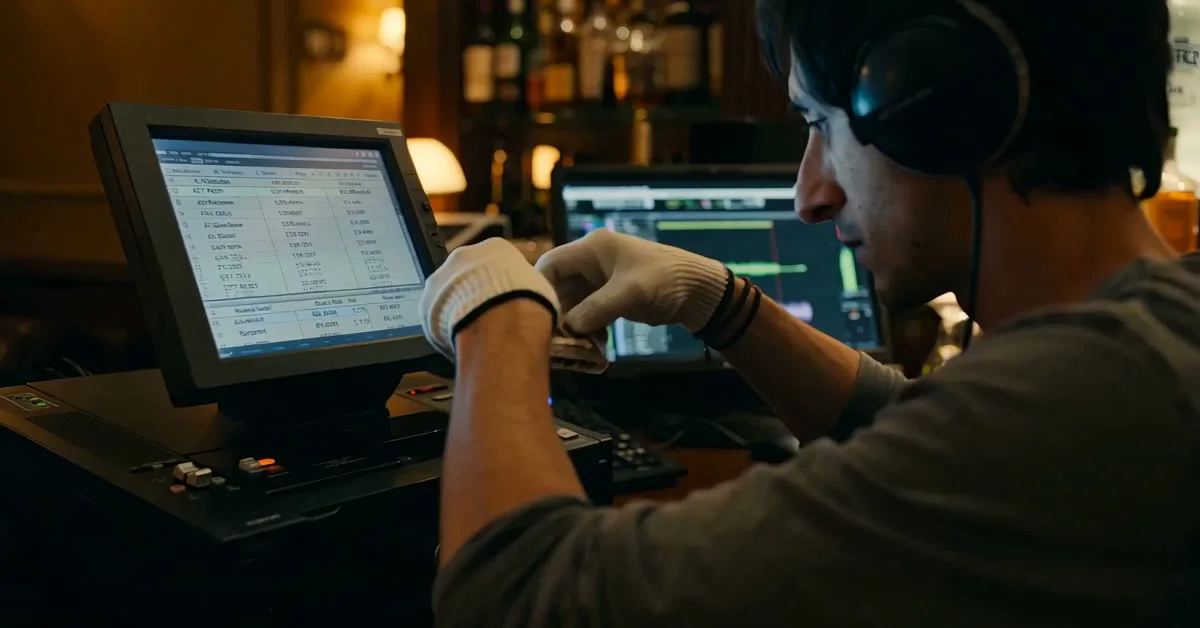
Books written in interview style already have a name readers recognize. A current library list is titled “Books Written in an Interview Style,” and Celadon Books describes Daisy Jones & The Six as an oral history built from talking-head interviews. That is the answer, plain and early: the form is real, and people search for it because it feels like testimony.
What makes it linger is not novelty. It is pressure. An interview lets a story arrive in fragments—one voice correcting another, one pause doing more work than a paragraph. The result feels less like narration than recovered evidence.
That is the atmosphere of Cassie Hour. A villa. A missing recording. Witnesses who remember the same night differently. A chorus that behaves like a clue. The story moves through memory the way a camera might move through an empty room: slow, exact, aware that something has already been removed. The mystery is not only what happened, but what each person chose not to say.
If you are looking for a novel that treats voices, testimony, and omission as part of the suspense itself, start with the book first: Cassie Hour (opens in a new tab). It reads like a file opened after midnight, with the facts still warm.
For the song-side of the project, the chorus carries a different kind of evidence.