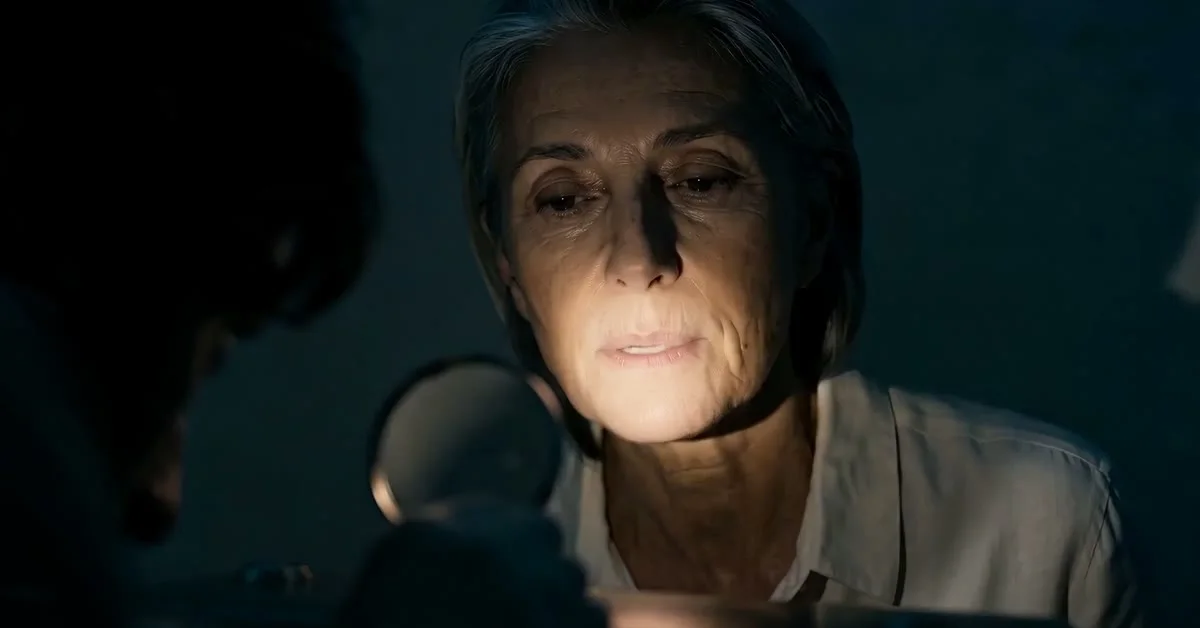
What Makes a Romantic Mystery Novel Feel Dangerous
A romantic mystery novel works when desire and suspicion share the same room. In Cassie Hour, the sharpest question is not only who wanted whom, but who controlled the record afterward.
That distinction matters. If a story leans too far into romance, the danger softens. If it leans too hard into mystery, the pulse of wanting disappears. The tension lives in the residue: a look that means more than it should, a message left unsent, a song that returns like testimony, a villa where everyone seems to have heard something and no one says it the same way twice. The atmosphere is not built from shocks alone. It is built from proximity, from the discomfort of being close enough to trust and far enough to doubt.
That is why the most memorable romantic mystery fiction often feels less like a puzzle and more like a recovered file. The evidence is emotional, but it is still evidence. The chorus matters. The silence after it matters more.
If you want the version where the mystery does not erase the desire, start with the novel: Cassie Hour. It is written like the edge of a missing story—cinematic, restrained, and always returning to the same hour.