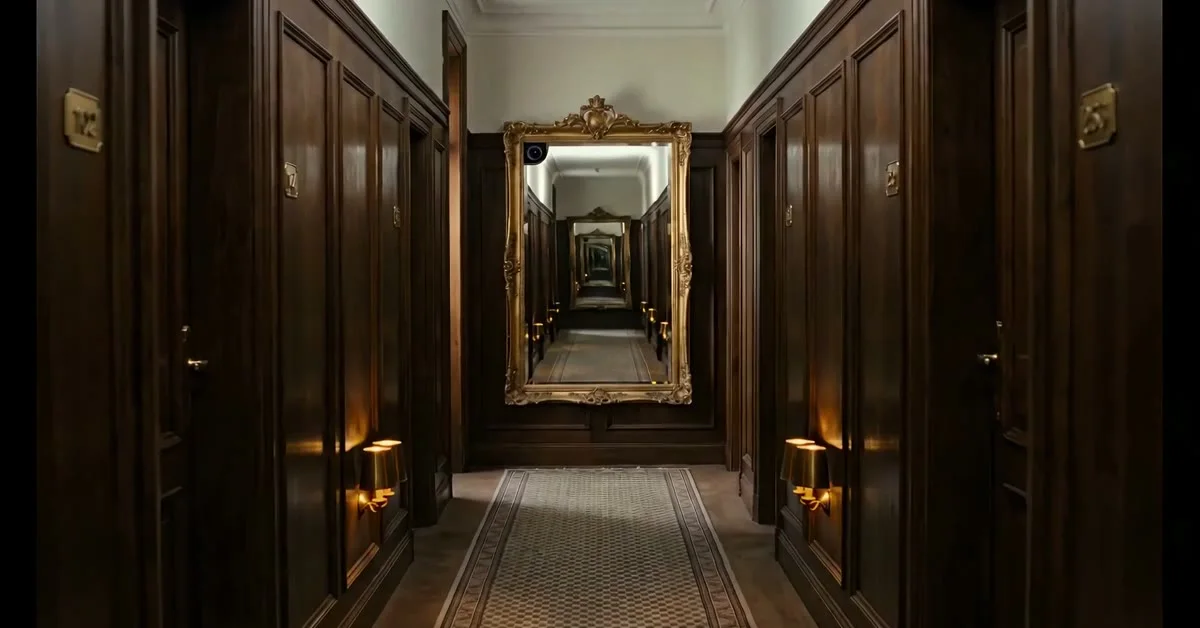
If you want books like Clue, the sharpest place to look is not just at humor or suspicion. It is a locked social space: a house, a villa, a small cast, and the feeling that every room has already seen too much.
That is the kind of pressure Cassie Hour understands.
In this story, the setting does not merely hold the mystery. It behaves like evidence. A villa becomes a witness. A recording disappears. The people inside it keep their versions close. The hour keeps returning, as if time itself has been asked a question and refused to answer cleanly. That is what gives the book its Clue-like shape: not a sprawling investigation, but a closed circle where attention matters and every detail can change the reading of the scene.
The current search for Clue-style mysteries keeps pointing toward the same desire: a contained suspect pool, a game-like structure, and a room that feels smarter than the people in it. Cassie Hour leans into that atmosphere without losing its own identity. It is more villa than mansion, more chorus than clue card, more missing story than tidy solution.
If that is the mood you want next, start with the novel first: Cassie Hour (opens in a new tab). It reads like a file recovered from the edge of a private night—one where the recording is missing, the witnesses are too close, and the truth does not enter politely.