Fragments from the villa
If You Wanted the Feeling of The Secret History, Follow the Missing Night
A villa mystery for readers seeking beauty, guilt, and retrospective tension beyond campus fiction.
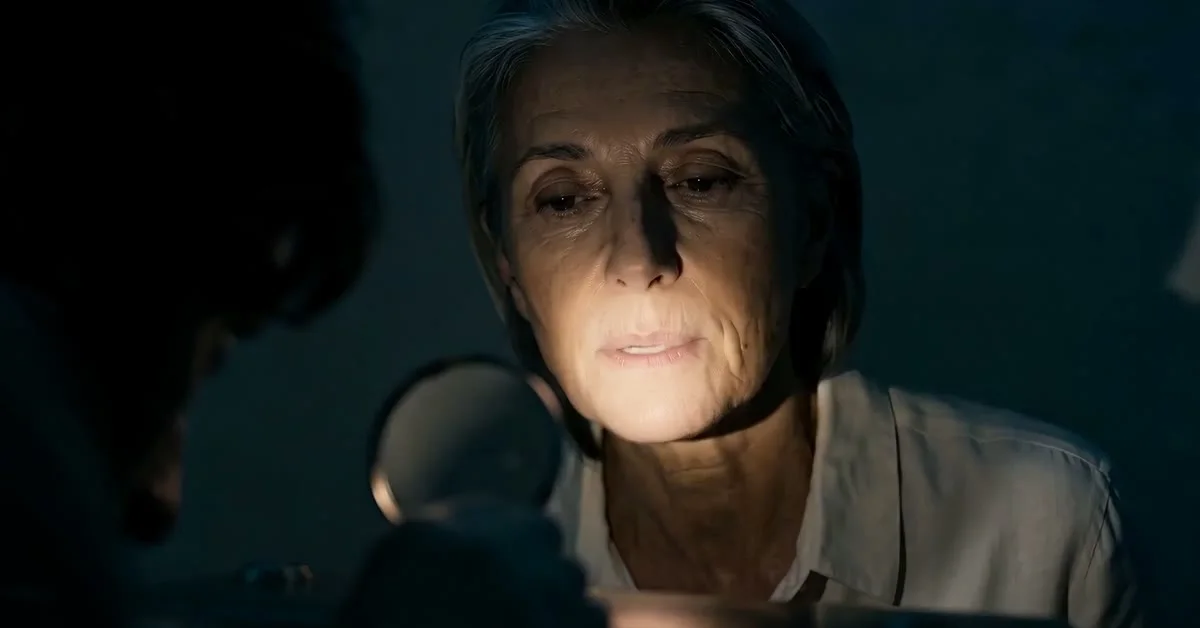
The closest answer to books like The Secret History is not another dark-academia copycat. It is a story where beauty, guilt, and withheld testimony feel like evidence.
That is why Cassie Hour belongs in the same search as Donna Tartt’s novel, even though its setting shifts from campus corridors to a Marbella villa. The tension is different, but the ache is familiar: people gathered too closely, a missing recording, and the sense that one hour was never meant to be spoken aloud. In stories like this, atmosphere is not decoration. It is the record.
What readers usually mean when they ask for The Secret History is not just elitism or murder-adjacent glamour. They want retrospective pressure. They want the feeling that the past has already hardened, that everyone present knows more than they can safely say, and that the truth arrives in fragments rather than clean answers. Cassie Hour works inside that register, but with a more cinematic hush: a villa, a chorus, witnesses who may not agree on what they heard, and a vanished story still warm at the edges.
If that is the tone you came for, start with the novel first: Cassie Hour (opens in a new tab). It is built like a recovered file, with music threaded through the mystery rather than pasted on top of it. And if what stays with you is the sound of the chorus—the mood, the pulse, the trace left behind—then the song is waiting too.
Some mysteries are solved by plot. Others are solved by listening long enough to notice what the room refused to say.