Cassie Arrives
She enters the villa in orange light. Before anyone touches her, the room has already measured her.
Marbella, 1985. A villa full of beautiful people. Money in the walls. A woman who arrives late. Decades later, the public hears a song. The novel follows the hour the chorus cannot explain.
Cassie Hour is a literary mystery novel set between present-day Marbella and the summer of 1985, where glamour starts to feel like a language, pleasure stops meaning only pleasure, and one woman understands the room before the room understands her.
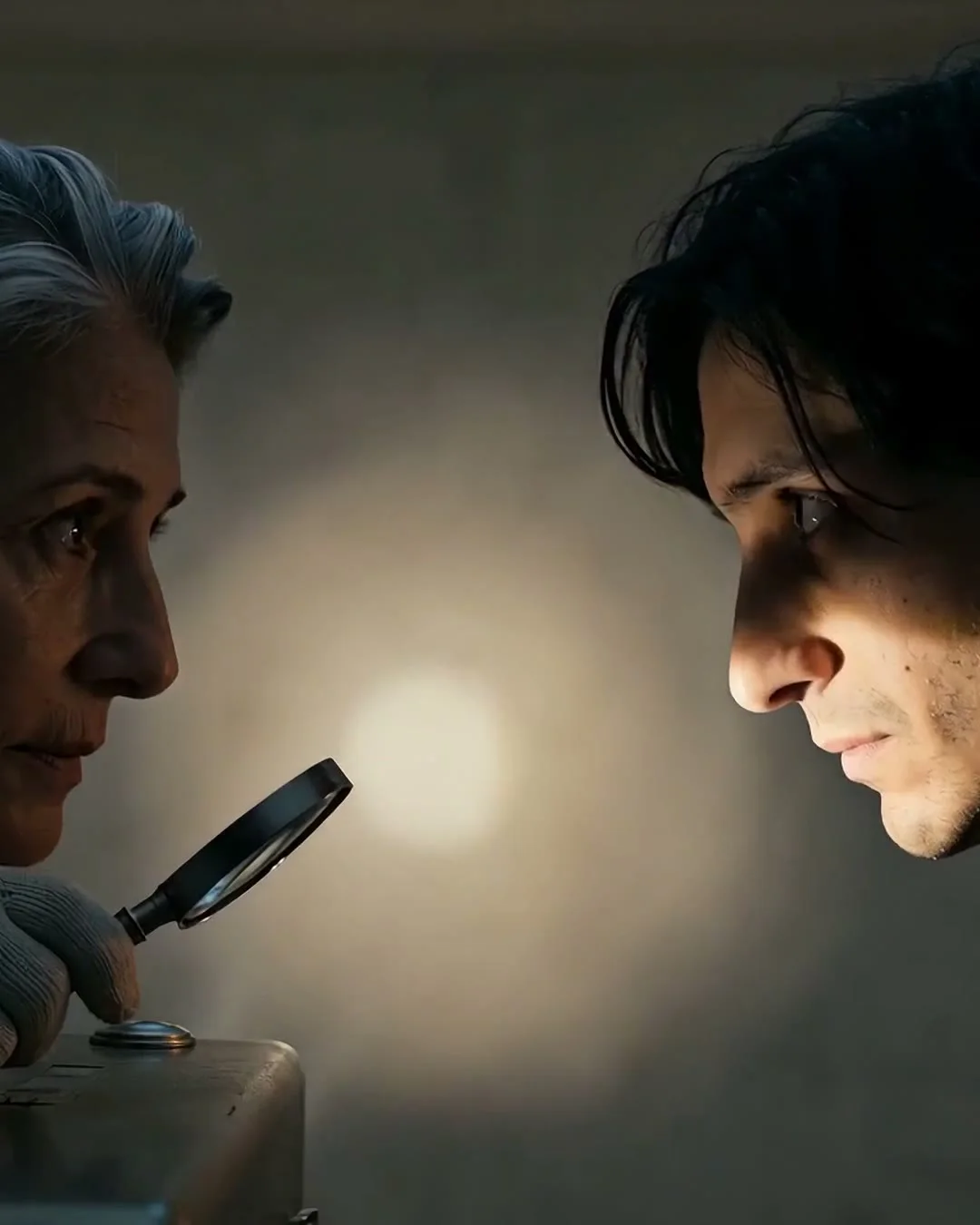
In present-day Marbella, musician Adrian hears an older woman recognize a phrase buried inside his song. Her name is Isabelle. She was there in 1985, at George's villa, during the summer no one tells the same way twice. To follow the song back to its source, Adrian has to decide what he wants more: the truth about Cassie, or the right to keep singing her name.
Marbella heat. Glass after midnight. A chorus moving through bodies before anyone knows what it means. This is not the explanation. It is the temperature.
Step inside without solving the mystery: fragments from the villa, the mirror, the road, and the song that carries the night forward while hiding the part that matters most.
She enters the villa in orange light. Before anyone touches her, the room has already measured her.
What begins as a game crosses into something no one at the villa will ever describe the same way.
The road opens, the chorus rises, and the night begins leaking into the future.
The track gives you the chorus, the ache, the hour. It does not give you the whole night. Read first, listen after, and the same words start carrying a different shadow.
The official song by Alp Şahin. Spanish-guitar shadow, electric pressure, and a chorus that sounds public because the private version never fully surfaced.
Read the novel, then play the song again. The melody stays the same. The meaning does not.
These are not answers. They are fragments from the edge of the story: villa notes, song traces, and questions that keep returning after the last page.
Why does the hour feel private until the damage becomes public?
What if the chorus was never the whole recording?
Some rooms remember who tried to control the story afterward.
Cassie Hour is built to be read, heard, and returned to. The novel gives the night its shape; the song carries what the characters cannot fully say. After reading, the same chorus should feel less like a melody and more like evidence.
Cassie Hour moves between present-day Marbella and the summer of 1985: a villa, a song, a woman remembered too differently, and a night whose meaning changes depending on who is telling it.