Fragments from the villa
Why cassette tapes still work in a mystery
Cassette tapes in mystery fiction act like sealed testimony—fragile voices that reveal the past one side at a time.
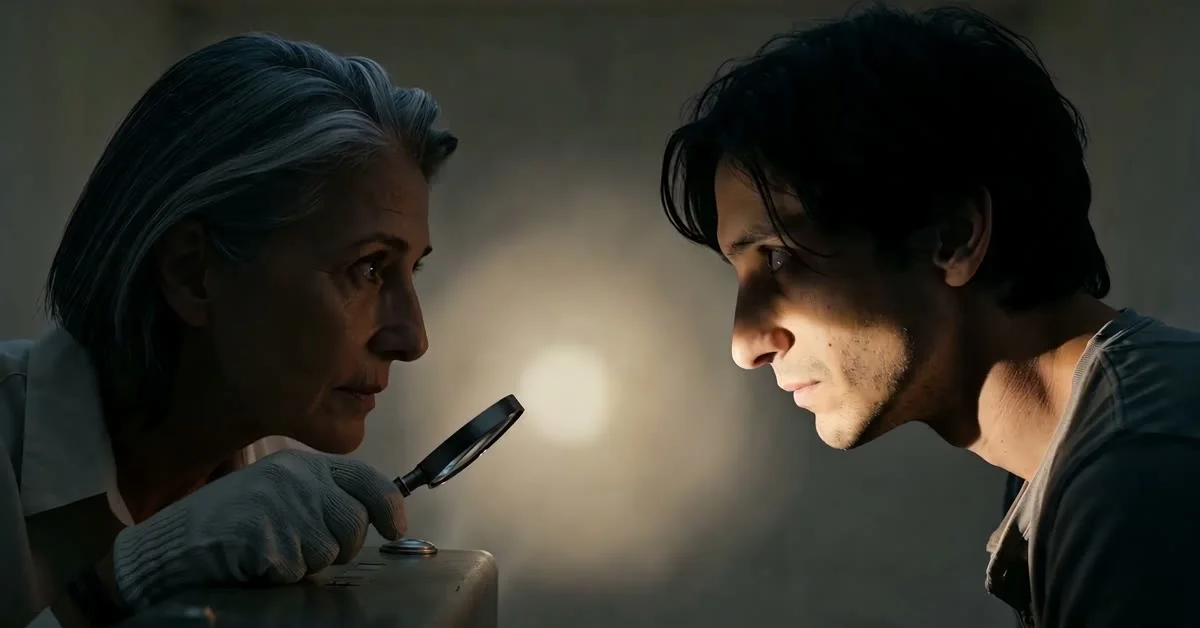
A cassette tape is not just nostalgia. In mystery fiction, it can function like sealed testimony: a voice captured once, then left to answer later.
That is why searches for mystery novels with cassette tapes keep leading readers to stories where the recording is not decoration but evidence. The tape can be transcribed, replayed, damaged, missing, or misunderstood. It can hold a confession without ever feeling certain. It can keep a witness alive after the room has emptied.
In recent coverage of cassette-tape mysteries, the format appears again and again as a way to recover what was almost lost: voices recorded in the 1990s, messages carried through transcriptions, secrets stored in analog fragility. The appeal is not retro style. It is the pressure of listening to a past that cannot defend itself.
That is also the atmosphere inside Cassie Hour: a villa, a recording, a vanished story, and the hour that keeps returning. The missing tape is not a prop. It is a witness. The chorus matters, too, but only after the scene has darkened and the evidence starts to speak.
If you are looking for a mystery where music and memory share the same room, begin with the novel first: Cassie Hour. The fragments around it are here when you want the traces left behind. The song sits beside the story, but the story carries the recording.
Explore the recovered pieces: fragments.