Fragments from the villa
When the Music Won’t Stay Buried
Cassie Hour turns music into evidence in a villa mystery where the sound lingers after the story slips away.
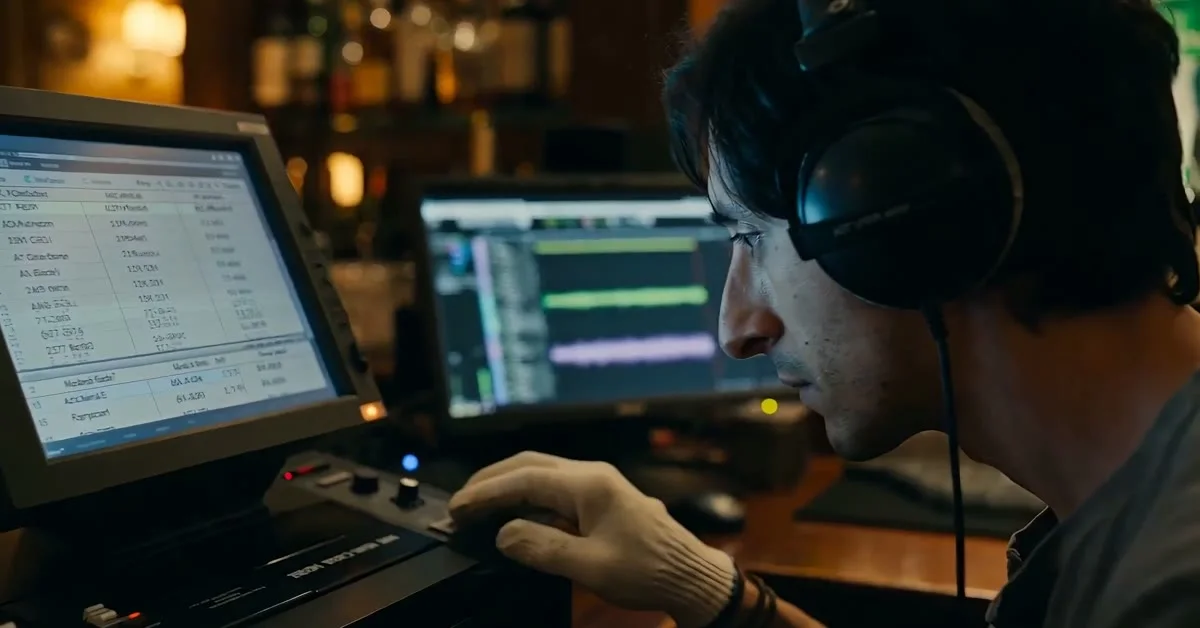
A literary mystery novel with music is strongest when the music does not behave like ornament. It stays behind. It clings to the room after the last voice has gone quiet. In Cassie Hour, that is the rule: the sound remains because the story refuses to stay buried.
There is a villa, and there are witnesses, but the real pressure comes from what can no longer be recovered cleanly. A recording is missing. A chorus keeps returning like a trace left on glass. The hour itself feels less like a timestamp than a hinge in the dark, the moment when a decision was made and could not be taken back. That is where the book lives: in the overlap between memory, evidence, and the uneasy ache of not knowing exactly what was heard.
This is why Cassie Hour reads like a recovered file rather than a familiar mystery. The atmosphere is cinematic, but restrained. The emotion is present, but never overexplained. Music matters here not because it decorates the plot, but because it carries residue—what people remember, what they deny, what survives after the room has emptied.
If you want the story at its clearest, start with the novel: Cassie Hour. If you are drawn first to the chorus, the song waits separately. But in this world, the song is never only a song. It is what remains when the story has tried to disappear.