Yes—song lyrics can be used as evidence in court. Recent AP News coverage says rap lyrics have been introduced in hundreds of cases across more than 40 states. But the sharper question is not can they be used? It is: what are they actually proving?
A lyric sounds intimate because it is framed as a voice. Once it enters a courtroom, that voice is stripped of music, mood, timing, and all the shadows around it. What remains is a line on paper, waiting to be misread. A boast can look like a plan. A character can be mistaken for a confession. A chorus can seem to name a witness when it only names a feeling.
That is why lyrics are such unstable evidence. They carry emotion, but emotion is not identity. They suggest memory, but memory is not the same as fact. The danger is not that a song lies; it is that someone hears it too literally.
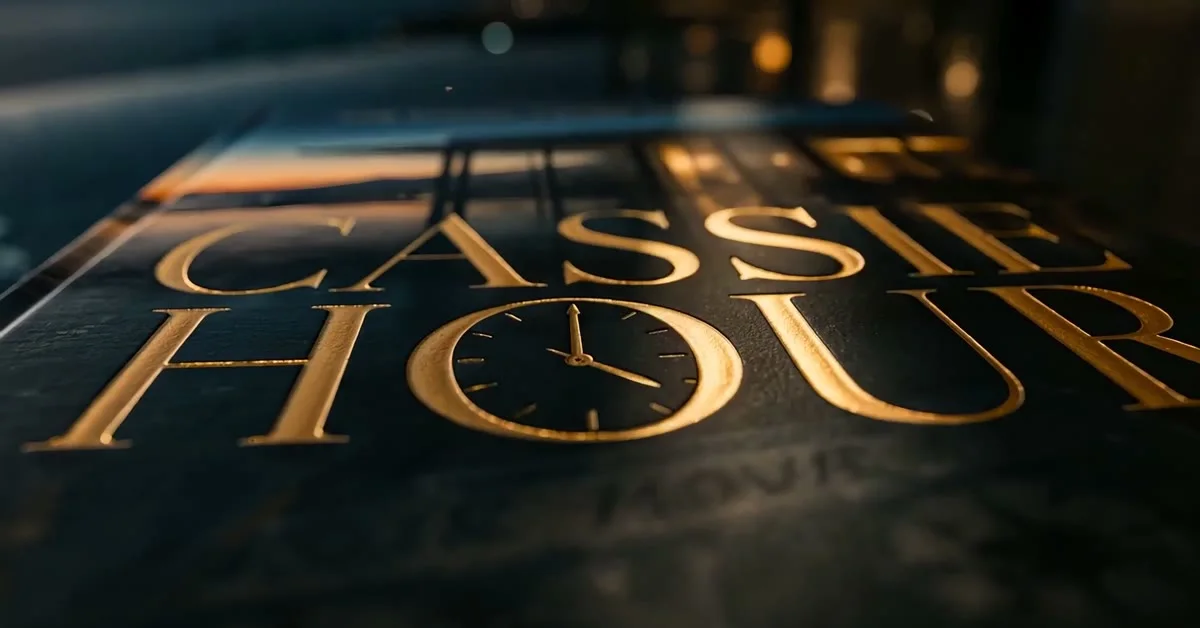
That tension is at the center of Cassie Hour: the missing recording, the villa witnesses, the hour that keeps returning. In this world, a song can behave like a statement and a statement can behave like a disappearance. The line between art and proof stays thin, and everyone in the room is listening for the wrong thing.
If you want the larger mystery behind that feeling, start with the novel at cassiehour.com/#novel. If you want the atmosphere itself, the song carries the same unease in another key.