Fragments from the villa
When a Scene Hides a Song, Treat It Like Evidence
Use the scene as evidence: timestamp, setting, and lyric fragments can help identify a song faster than audio alone.
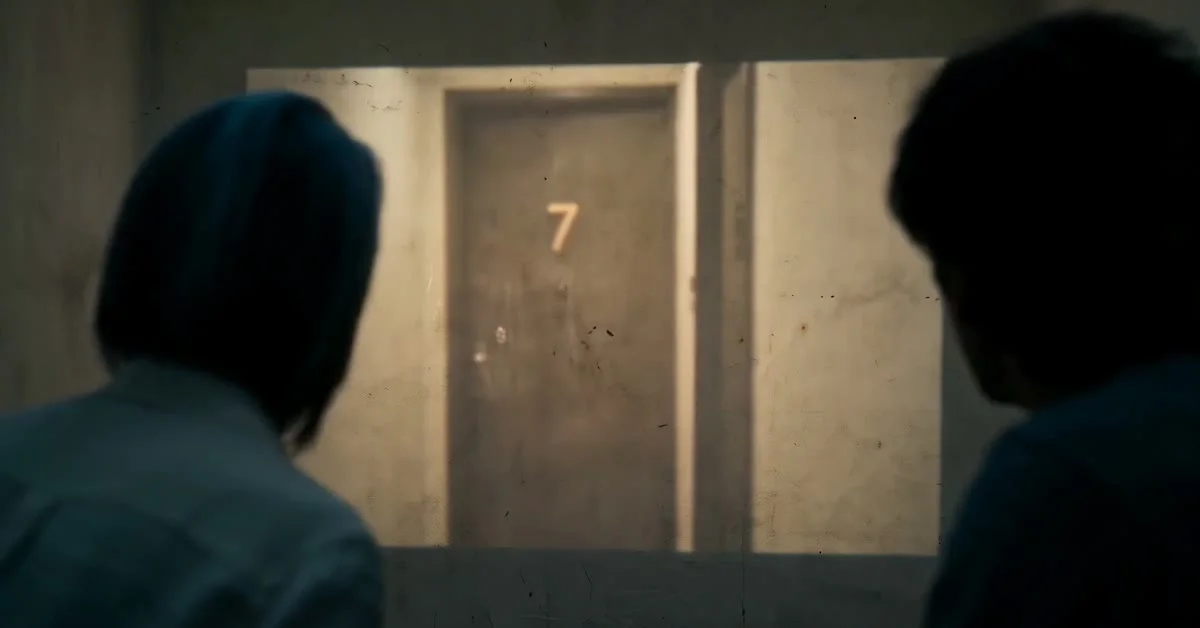
A song in a film scene can vanish faster than the scene itself. The cleanest first move is simple: note the timestamp, the location, and any lyric fragment you can catch before you try anything else.
That matters because the audio is only part of the evidence. A trailer cut in a Marbella villa, a late-night corridor, a glass reflected at 4AM — those details narrow the search when a music ID app misses. Google Search can also help by taking a lyric fragment straight into results, then leading you to lyrics or video pages. If Shazam fails, the scene is still speaking.
Listen twice. First for words, then for context. Is the track playing on-screen, under dialogue, or as a brief chorus in the background? Is it tied to a car door, a dance floor, a balcony, a memory? That setting often separates one song from another long before you know the title.
This is the same logic that runs through Cassie Hour: a vanished recording, a villa, witnesses who saw too much and said too little. The mystery is built like a file recovered from the edge of a story, where music is not decoration but evidence.
If you want that atmosphere in full, start with the novel first: Cassie Hour. If what you’re chasing is only the chorus, the song is there too — but the scene, like the villa, usually tells you more than the sound alone.