Fragments from the villa
What Makes a Cinematic Mystery Novel Feel Real
Discover why Cassie Hour feels like recovered footage: a villa, a missing recording, and a song that returns with missing context.
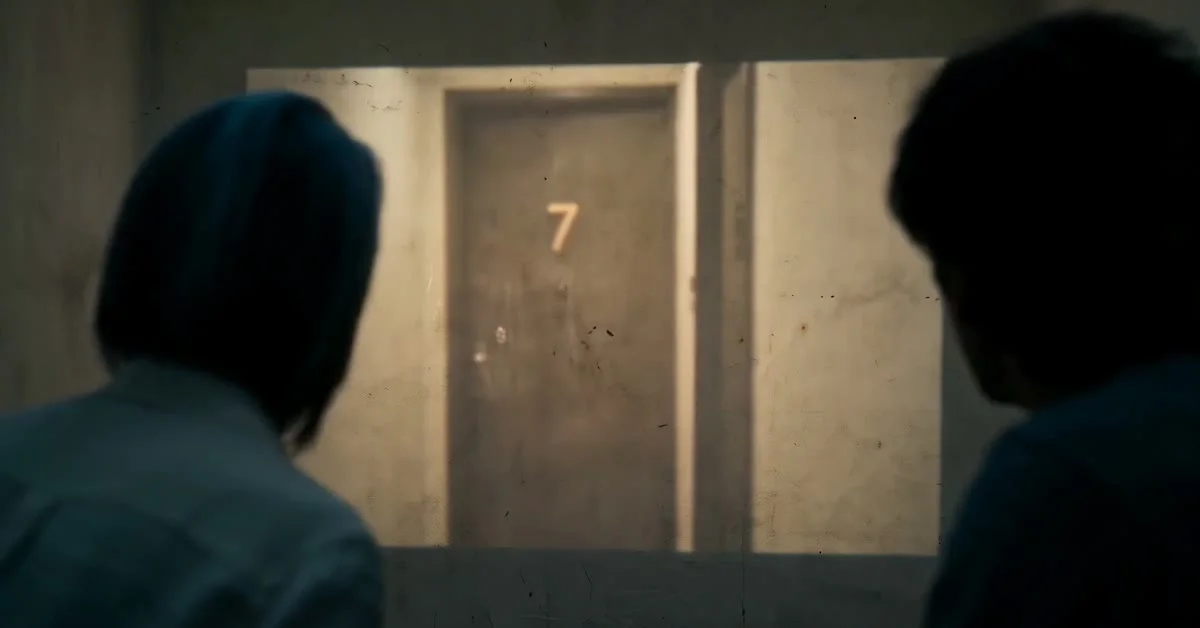
A cinematic mystery novel is one that feels less like a puzzle on paper and more like recovered footage. The answer is in the texture: rooms seen from odd angles, mirrors that keep the wrong detail, silence that arrives before the truth does. Cassie Hour is built from that logic.
Here, the mystery does not announce itself loudly. It gathers in a Marbella villa, where witnesses seem to know only fragments and the recording at the center of the story no longer sits where it should. The song returns, but the context does not. That absence matters. It gives the narrative its pressure: not just what happened, but what was heard, missed, or quietly removed.
That is why the story feels visual without losing its literary edge. It moves like evidence handled with care. A glance becomes a clue. A chorus becomes a trace. The hour returns, and with it the sense that something intimate was captured and then made difficult to recover.
If you are looking for a mystery that carries atmosphere as seriously as plot, start with the novel. The full world of Cassie Hour begins at the novel, where the villa, the vanished story, and the recording all sit in the same dim light.