Fragments from the villa
What a Fair-Play Mystery Really Promises
A fair-play mystery lets readers solve the case from the clues on the page. Cassie Hour turns that promise into a recovered file.
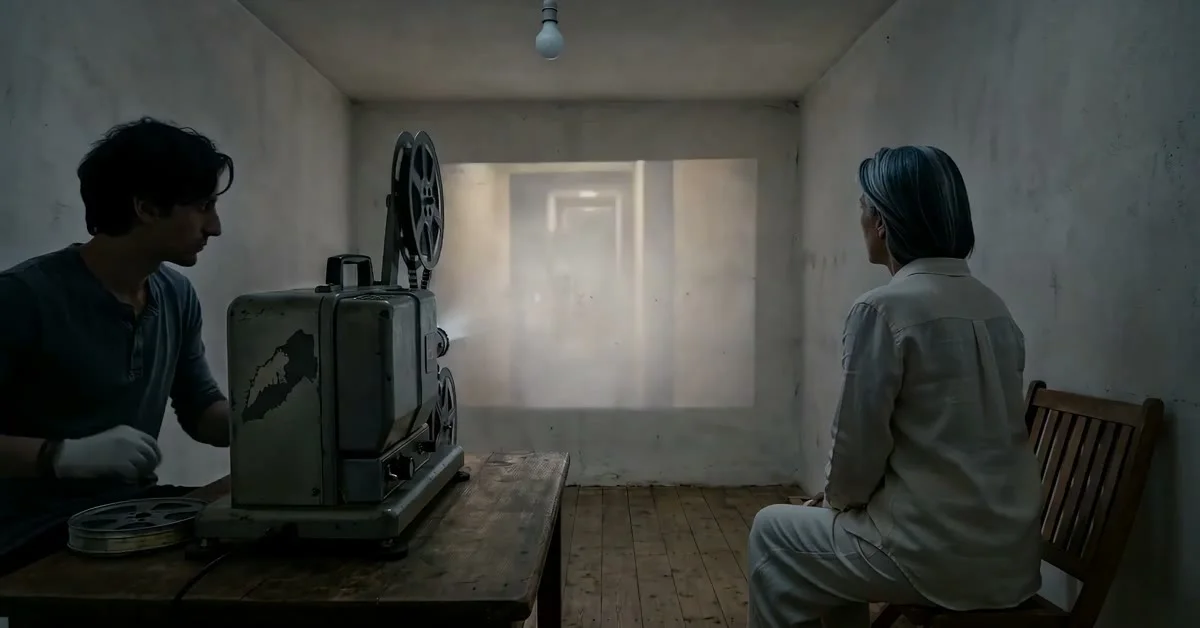
A fair-play mystery is one where the answer is there before the reveal.
That is the cleanest search answer, and the reason the form still holds power: the story does not hide the truth from the reader so much as arrange it in plain sight. A note, a glance, a missing object, a line that sounds harmless until it does not — the clues are offered early enough to matter, but quietly enough to be missed. The pleasure is not in being tricked. It is in realizing the book kept its promise.
Cassie Hour treats that promise like a recovered case file from the edge of a villa in Marbella, where the rooms feel watched and the night keeps its own record. A recording has gone missing. Witnesses remember different details. The chorus returns like evidence, not decoration. What seems romantic at first settles into something sharper: the sense that every beautiful surface is also a place where information can disappear.
That is why the novel fits this idea so closely. It does not ask the reader to admire a puzzle from a distance; it lets the reader stand inside it, hearing the same fragments the characters hear, noticing what is repeated, and what is suddenly absent. Fair play, here, is not a rulebook. It is atmosphere with teeth.
If you want the mystery first and the meaning inside it, start with the novel.