When a Playlist Becomes Evidence
The answer, if you are looking for playlist mystery novels, is this: the best ones make the songs do the work of a witness. Not atmosphere. Not nostalgia. Evidence.
That is the strange current running through Cassie Hour. Across the villa, a recording goes missing, the hour returns, and what remains is not a neat list of tracks but a sequence of residues—what was heard, what was altered, what may have been left behind on purpose. In stories like Sebastian Fitzek’s Playlist or Michelle Falkoff’s Playlist for the Dead, the music is not merely beside the mystery; it is folded into its shape. A changed playlist can point toward disappearance. A set of songs can carry the emotional logic of a death. A track list can behave like a document no one meant to sign.
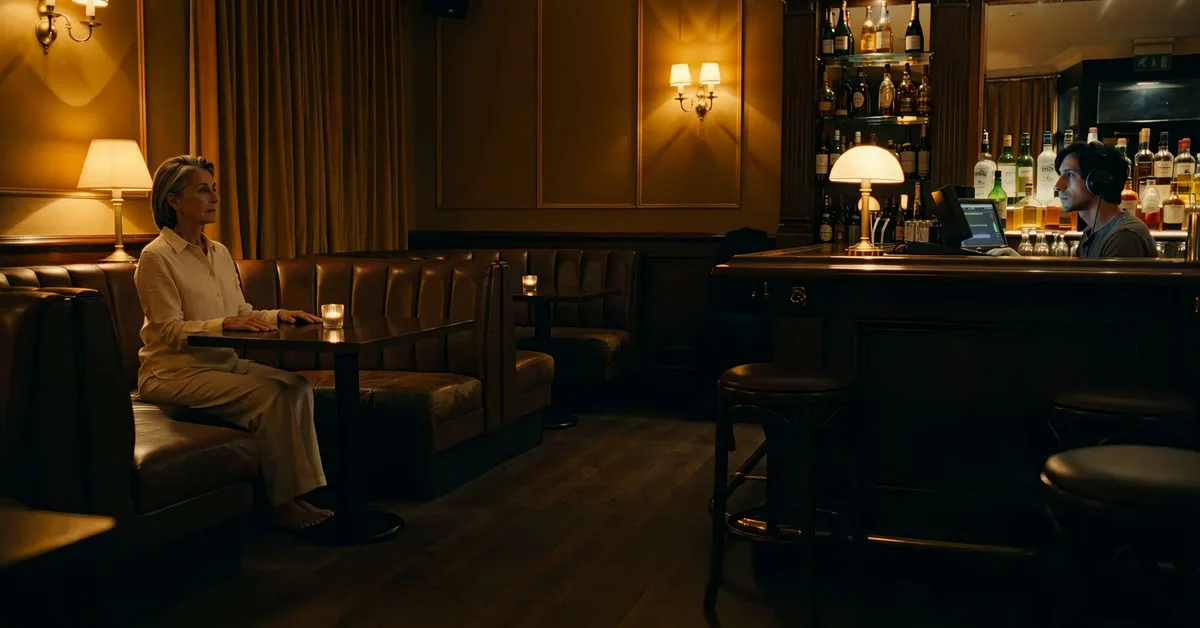
Cassie Hour follows that same sharper trail, but with a more cinematic hush: a Marbella villa at 4AM, witnesses who may be unreliable, and a song that refuses to stay in the background. The chorus matters because it keeps returning with new meaning. The recording matters because absence can be louder than sound.
If you want the book where music is treated less like mood and more like testimony, start with the novel. The song exists too, but the story is where the evidence first comes into focus.