Fragments from the villa
The Missing Recording: Why That Absence Still Feels Like Evidence
Why the missing recording trope still carries weight in mystery fiction—and where Cassie Hour turns absence into evidence.
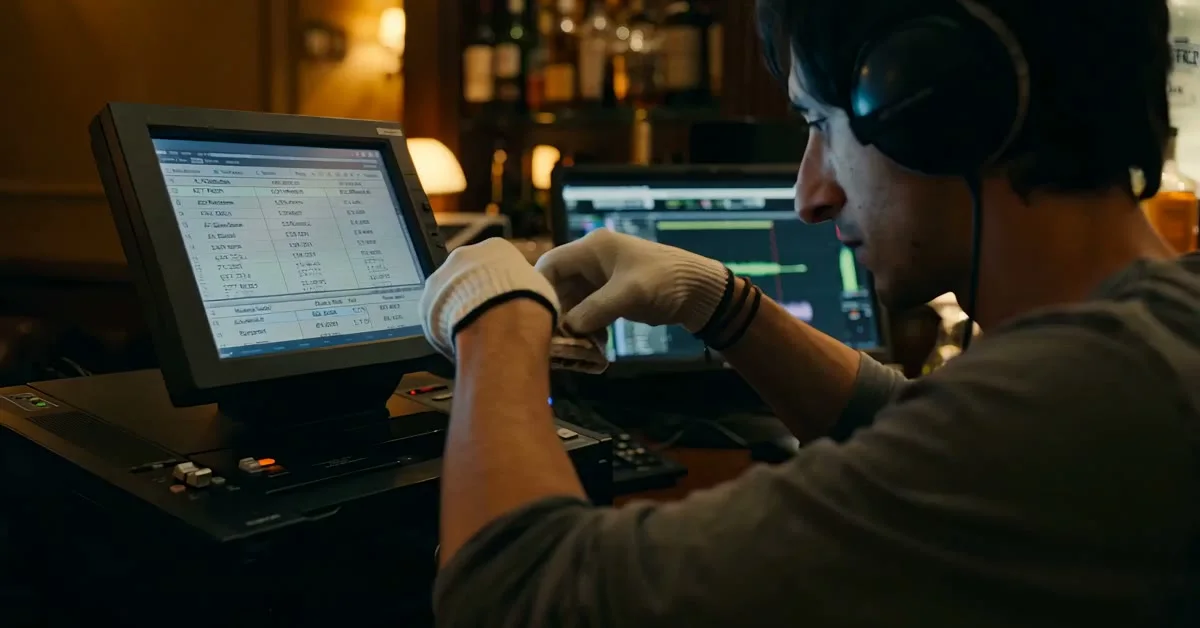
A missing recording is not empty. It is shaped like testimony.
That is why the search term missing recording mystery novel keeps pulling readers toward stories where absence does the work of a witness. Search results show the trope in fiction pages, but also in legal and crime-related material: missing recordings are treated as broken evidence, erased context, a voice removed just before it could settle the story. The silence matters because someone expected sound.
Cassie Hour lives inside that same tension. A villa at 4AM. A vanished recording. A chorus that may have heard more than it should. The mystery is not only who left, or who lied, but what was captured and then taken away. In that kind of story, a tape can feel heavier than a body. A chorus can behave like an alibi. Even a song can read like evidence.
The cleanest reason this trope endures is simple: it turns listening into suspicion. Every pause may be edited. Every return of the hour may be deliberate. And when the missing file sits at the center of the room, the people around it begin to reveal themselves by what they refuse to hear.
If that is the kind of fiction you came looking for, start with the novel. Cassie Hour is built around the vanished recording, the villa witnesses, and the pressure of one night that keeps replaying in fragments. Read the novel first: Cassie Hour novel.