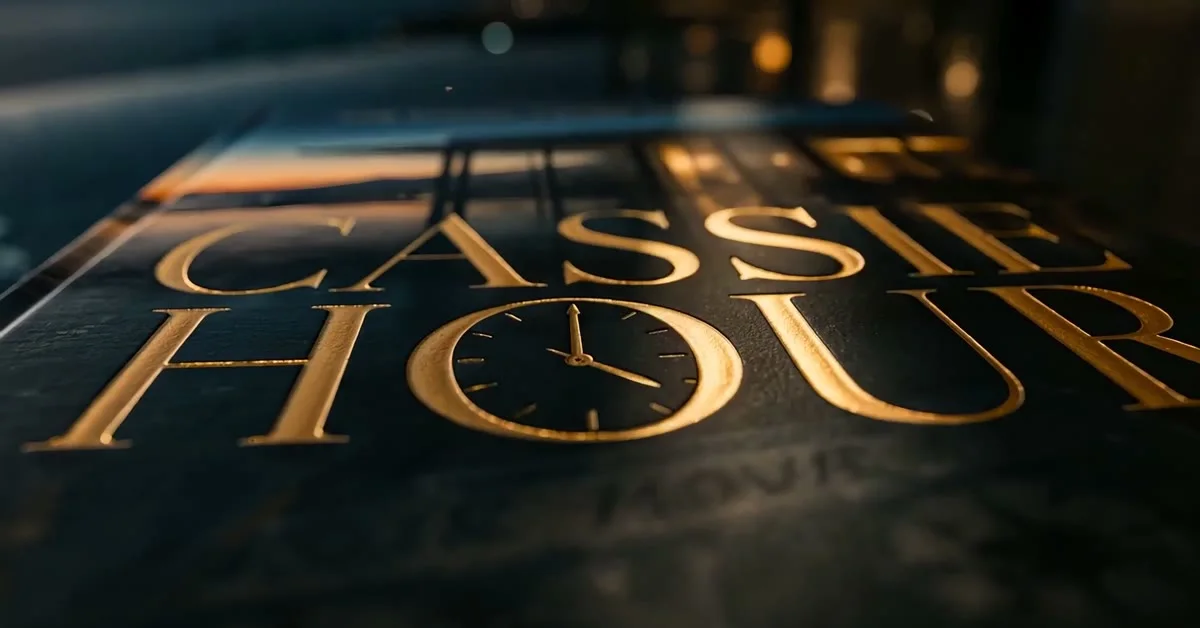
Marbella as a mystery setting works for one simple reason: luxury does not soften suspicion; it improves the lighting for it.
That is the strange power of Cassie Hour. The villa is not a postcard. It is a place where polished rooms, coastal air, and expensive silence make every witness look more convincing and more fragile at the same time. In a lesser story, the setting would merely decorate the plot. Here, the setting behaves like evidence.
A Marbella villa offers the perfect kind of concealment: not darkness, but clarity. Windows show everything and explain nothing. Guests can arrive with perfect alibis, then leave behind only a missing recording, a half-heard chorus, a glance that lasts too long. The hour returns. The story tightens. What looked like leisure begins to feel like surveillance.
That is why this mystery feels so distinct. It is not trying to imitate a generic coastal thriller. It understands that beauty can make people careless, and careless people say more than they mean. The result is a romantic, cinematic tension that stays controlled rather than loud.
If you want the full shape of the villa, the witnesses, and the vanished story, start with the novel: Cassie Hour novel. If you are tracing the mood through sound instead, the song stands on its own as a different kind of clue at Cassie Hour song.