How to use song lyrics in a novel without quoting the chorus
The easiest answer is also the least interesting: quoting song lyrics in a novel can raise permission questions, and fair use is not a blanket shield. But the better question is craft. A song does not need its chorus printed on the page to change the temperature of a scene.
Use the lyric as a pressure system. Let a few remembered words tilt the room, the timing, the body language. Let the melody imply what the character will not say. In a mystery, that can matter more than quotation. A line heard through a wall, a missed recording, a tune repeated at 4AM, or a chorus that appears only as a fragment can work like evidence: partial, intimate, and hard to dismiss.
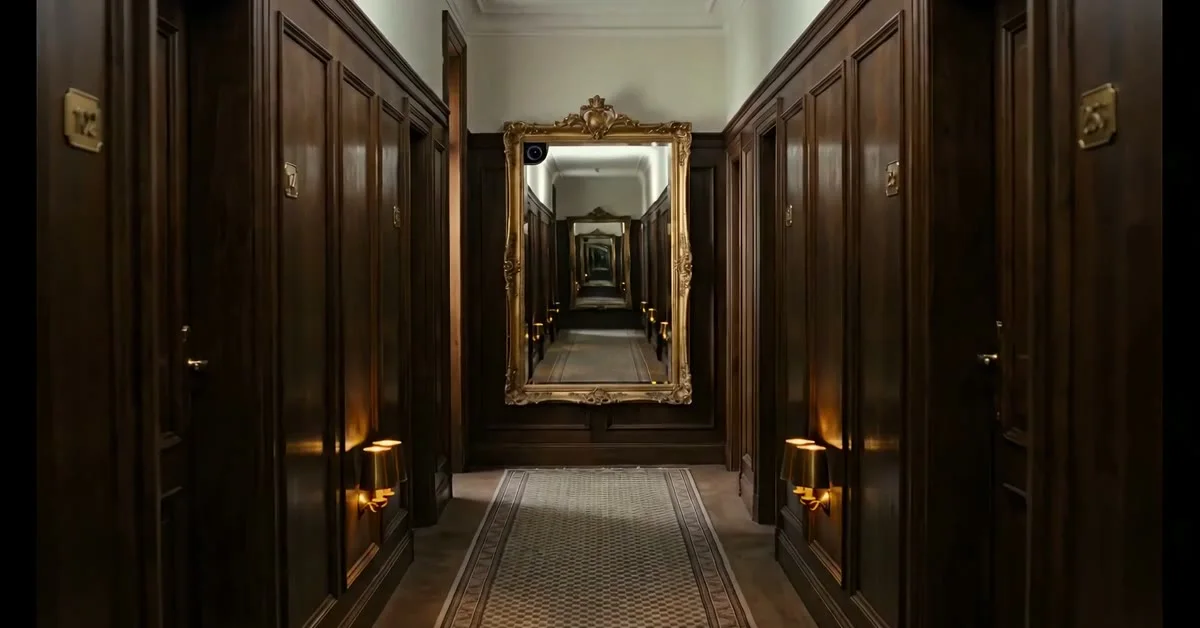
That is the logic behind Cassie Hour. The song and the novel are connected, but the novel does not treat music as decoration. It treats it like a trace left behind in a villa after something has vanished. The atmosphere carries the clue structure. The missing recording matters. The chorus matters even when it is absent.
If you are writing fiction, that is often the cleanest path. Build the scene around what the song reveals: a character’s fixation, an old wound, a room that feels watched, a memory that keeps returning. Then keep the actual lyric use spare, or original, or replaced by implication.
For readers drawn to that kind of cinematic mystery, start with the novel first: Cassie Hour. The song is there, but the real charge is in what it leaves behind.