Fragments from the villa
How a Song Becomes a Story: When the Refrain Starts Testifying
See how a song’s refrain can become evidence, shaping a story through mood, omission, and consequence.
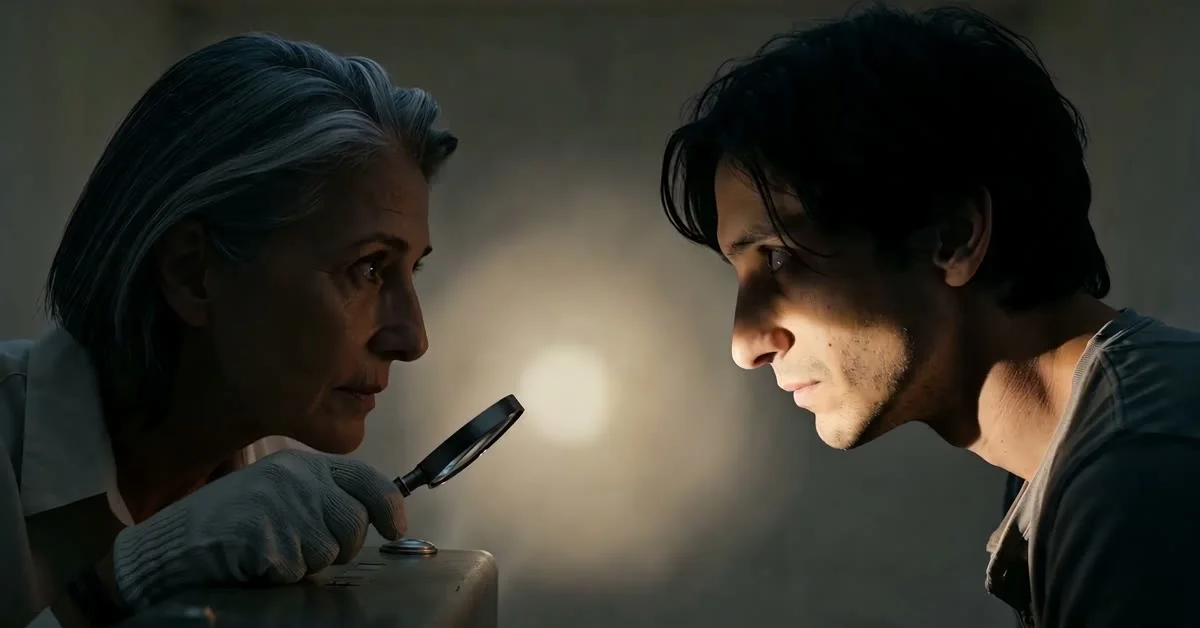
A song becomes a story when its refrain stops behaving like decoration and starts acting like evidence.
That is the simplest useful answer. Not every lyric needs a plot, and not every plot needs to explain itself. But if a line returns with the weight of a fingerprint, a witness statement, or a half-remembered hour, it begins to carry narrative pressure. The song no longer repeats for pleasure alone. It repeats because something has not been settled.
That is the logic behind Cassie Hour. The villa is not just a setting; it is a place where sound lingers, where a missing recording can feel more revealing than a confession, and where the chorus returns like a door that was never fully closed. In that kind of story, music does not sit beside the mystery. It helps define it.
Writers often start with mood, but mood alone is only atmosphere. The turn comes when imagery begins to narrow into consequence: a night drive, a glass left on a table, a voice heard after 4AM, the sense that someone at the villa saw more than they said. Then the song has become narrative because it has begun to exclude as much as it reveals.
If you want to see that idea taken seriously—not as a trick, but as structure—start with the novel first. Cassie Hour lets the music remain musical while the story lets the silence speak. The same refrain can be heard another way there.