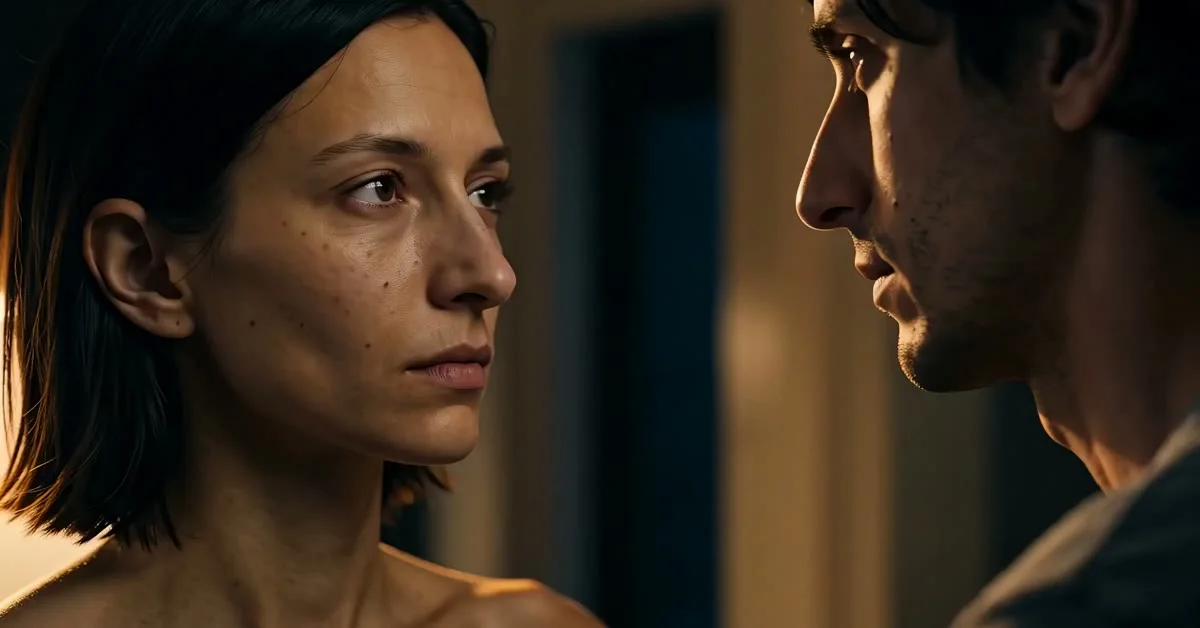
A 2026 adaptation roundup is already doing its quiet work: reminding readers that mystery stories do not begin on a screen, they change there. Radio Times has noted the continued appetite for books heading to screen in 2026, and PBS’s announcement of Bookish shows the same pattern in motion. The announcement is never the whole thrill. The real tension lives earlier, where clues can stay unspoken and motive can remain hidden in plain sight.
That is why the sharpest way to meet a mystery like Cassie Hour is first on the page. Before any casting, framing, or soundtrack, the novel holds the evidence in its original form: the villa, the recording, the returned hour, the strange pressure of what witnesses notice and what they refuse to say. On screen, a mystery can become cleaner. In a novel, it can remain closer to the wound.
That difference matters. A book-to-screen story is often sold as a future image, but the real seduction is retrospective: reading before the version everyone will later compare. In Cassie Hour, the atmosphere is already cinematic, but it is also intimate in a way adaptation cannot fully preserve. The missing recording is not just a device; it is a silence with shape.
If the thought of a mystery arriving twice appeals to you—first as a private file, later as a public image—start with the novel itself: Cassie Hour novel.